
Bathroom lighting guide for Australian homes
ELEVATING YOUR BATHROOM'S AMBIANCE INVOLVES CONSIDERED LIGHTING THAT COMPLEMENTS THE ARCHITECTURE, ENHANCES THE MOOD, AND PERFORMS FLAWLESSLY UNDER HUMID CONDITIONS.Bathroom lighting needs to do more than simply illuminate the room. It needs to provide clear, practical light when you’re getting ready in the morning, while creating a softer atmosphere when you want to unwind at the end of the day. The best bathroom lighting combines different layers of light to balance function and ambience. And when designing for wet areas, choosing the right fittings and placement is essential.
Whether you’re renovating or designing a new bathroom, this guide covers everything from layering light and illuminating your vanity to choosing the right colour temperature and fittings — helping you create a space that is both functional and considered.
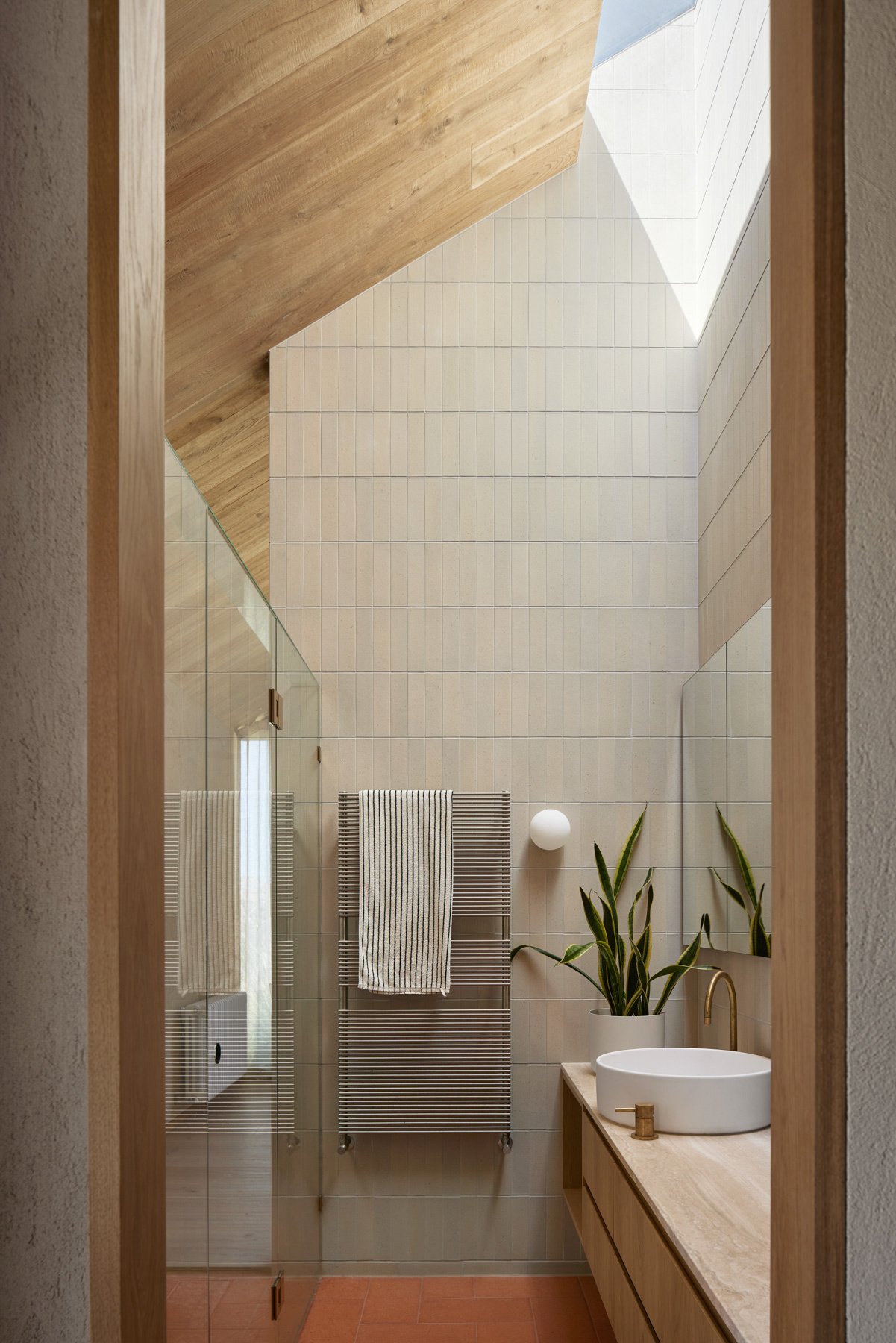
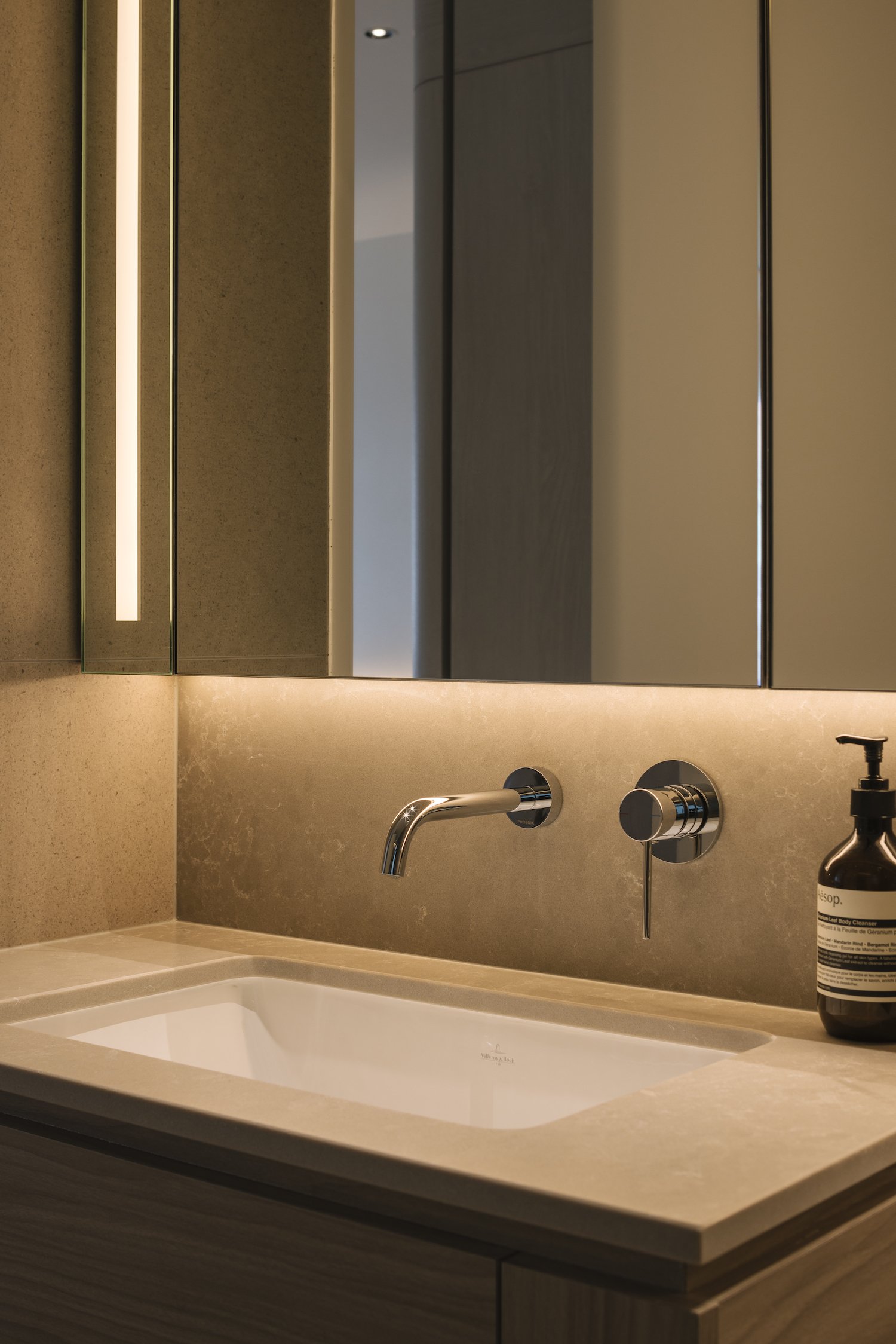
The three layers of good bathroom lighting
Well-designed bathrooms rarely rely on a single light source. Instead, combining ambient, task and accent lighting gives you greater flexibility and creates a more considered space.
Ambient lighting provides the general illumination you need to comfortably move around the room. This might come from recessed LED downlights or a ceiling-mounted fitting. Rather than simply spacing downlights evenly across the ceiling, consider where the light will fall and how it relates to the layout of your bathroom.
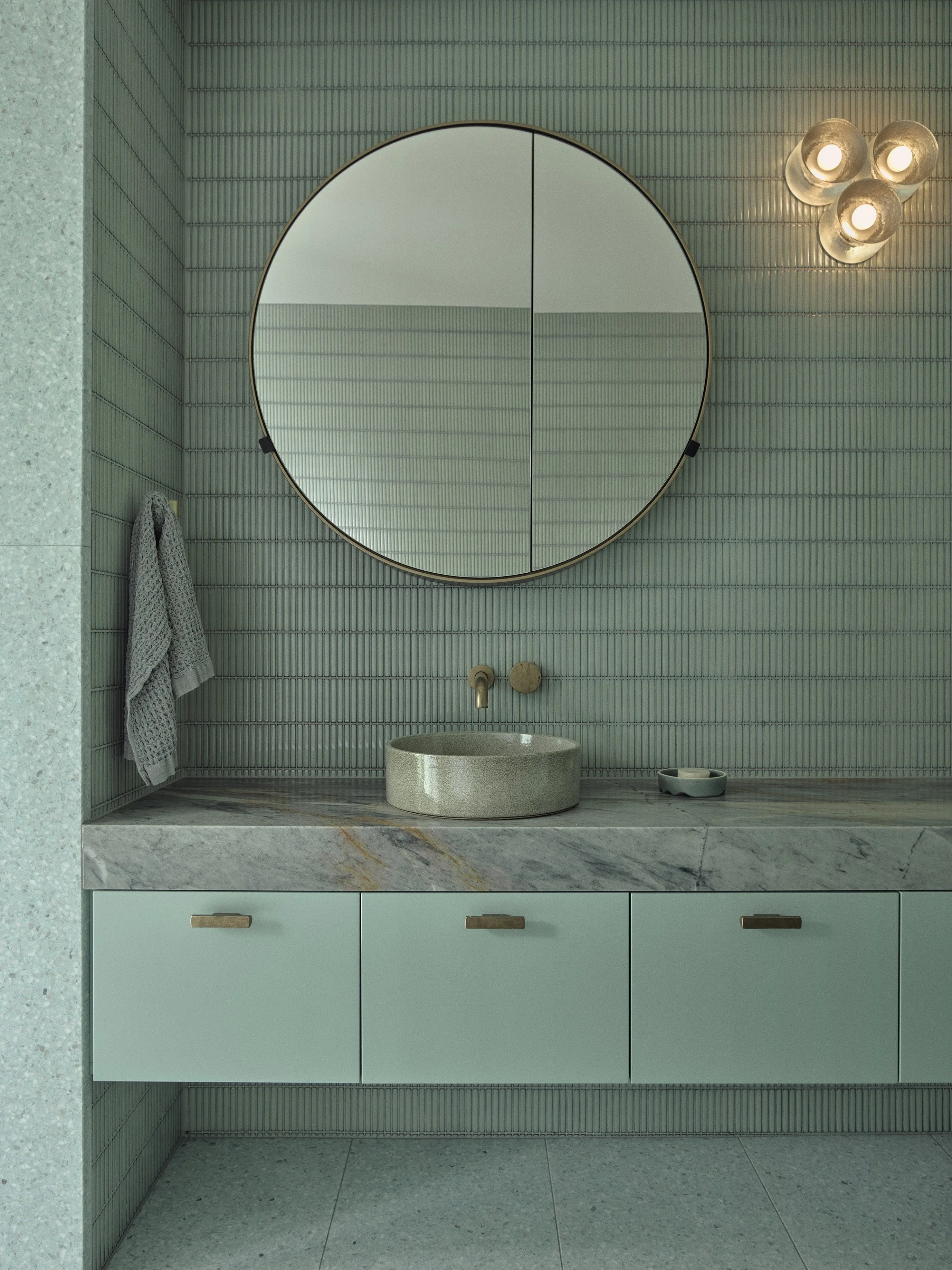
Task lighting provides focused light where you need it most — particularly around the mirror and vanity. Lighting positioned beside or around the mirror can provide more even illumination across the face than relying solely on a downlight overhead, which can create unwanted shadows.
Accent lighting adds depth and ambience. Concealed LED strips beneath a floating vanity, within a shower niche or along a shelf can highlight architectural details and create a softer alternative to your main lighting. Low-level lighting can also be practical overnight, particularly when paired with a motion sensor.
Putting these different layers on separate switches or dimmers gives you greater control over how the bathroom feels throughout the day — from bright, functional lighting in the morning to a softer setting when you want to unwind.
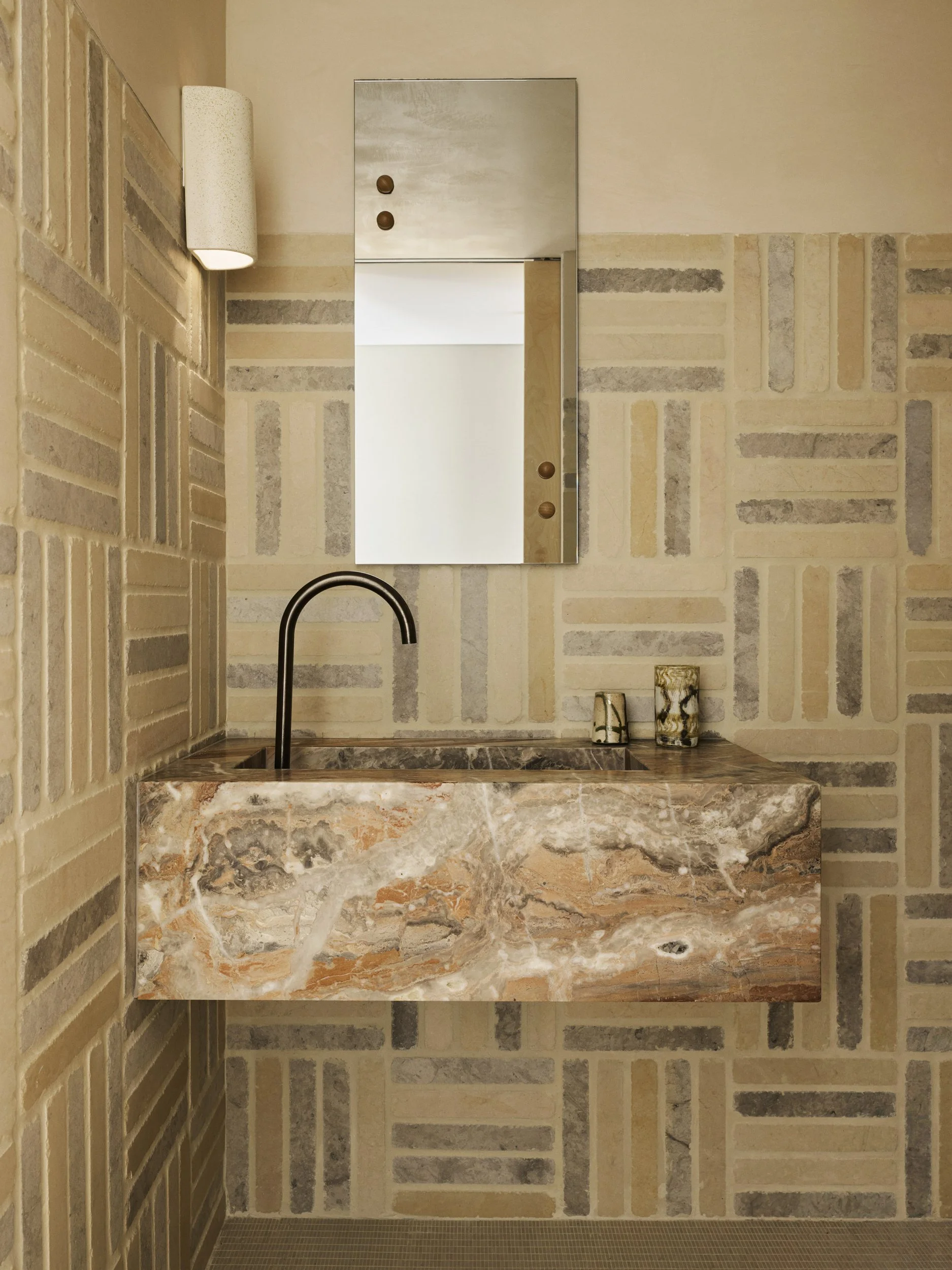
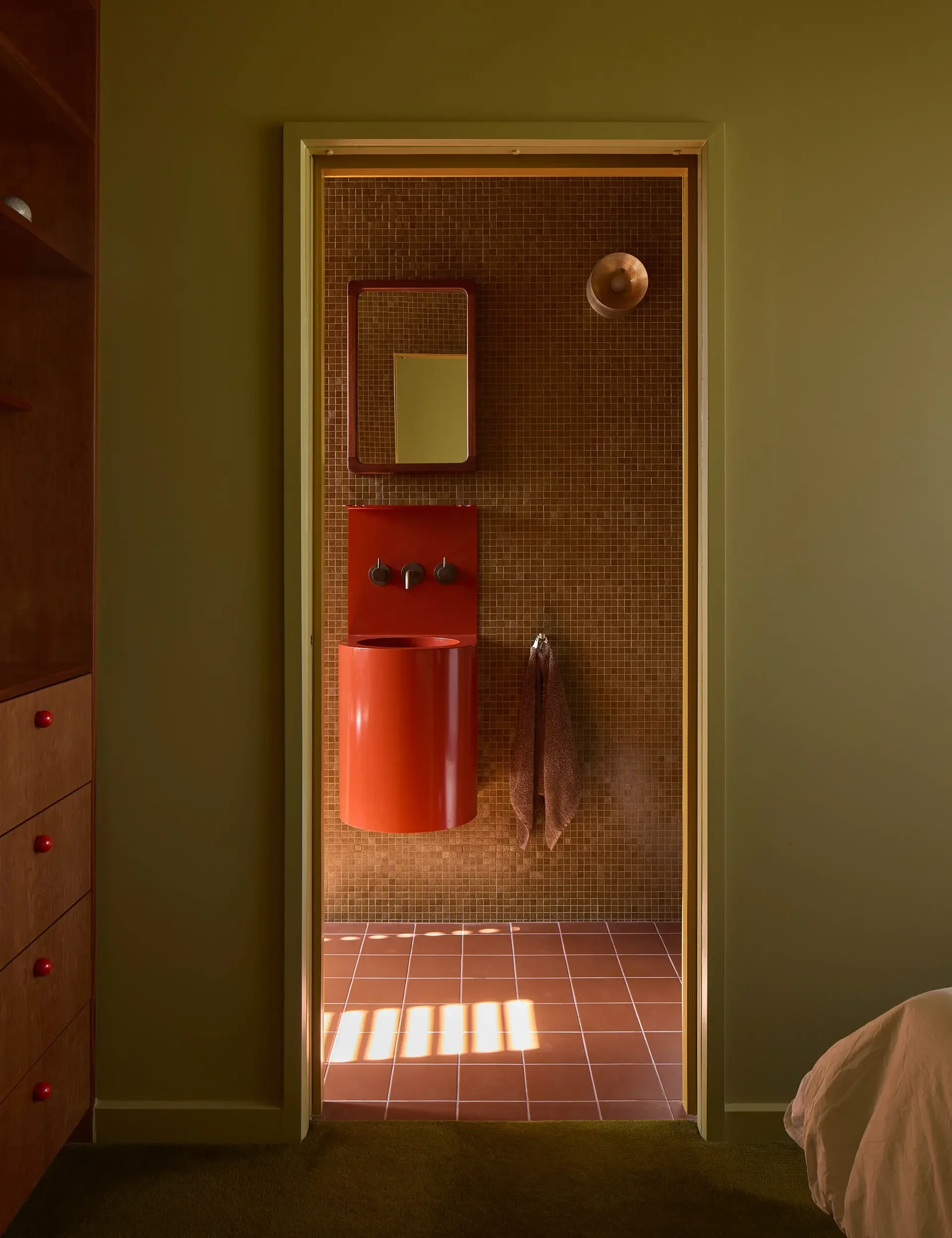
How to light each area of your bathroom
At the vanity and mirrorThe vanity is one of the most important areas to consider when planning bathroom lighting.
A downlight positioned directly above your head can cast shadows across your face, making everyday tasks such as applying makeup, shaving or skincare more difficult.
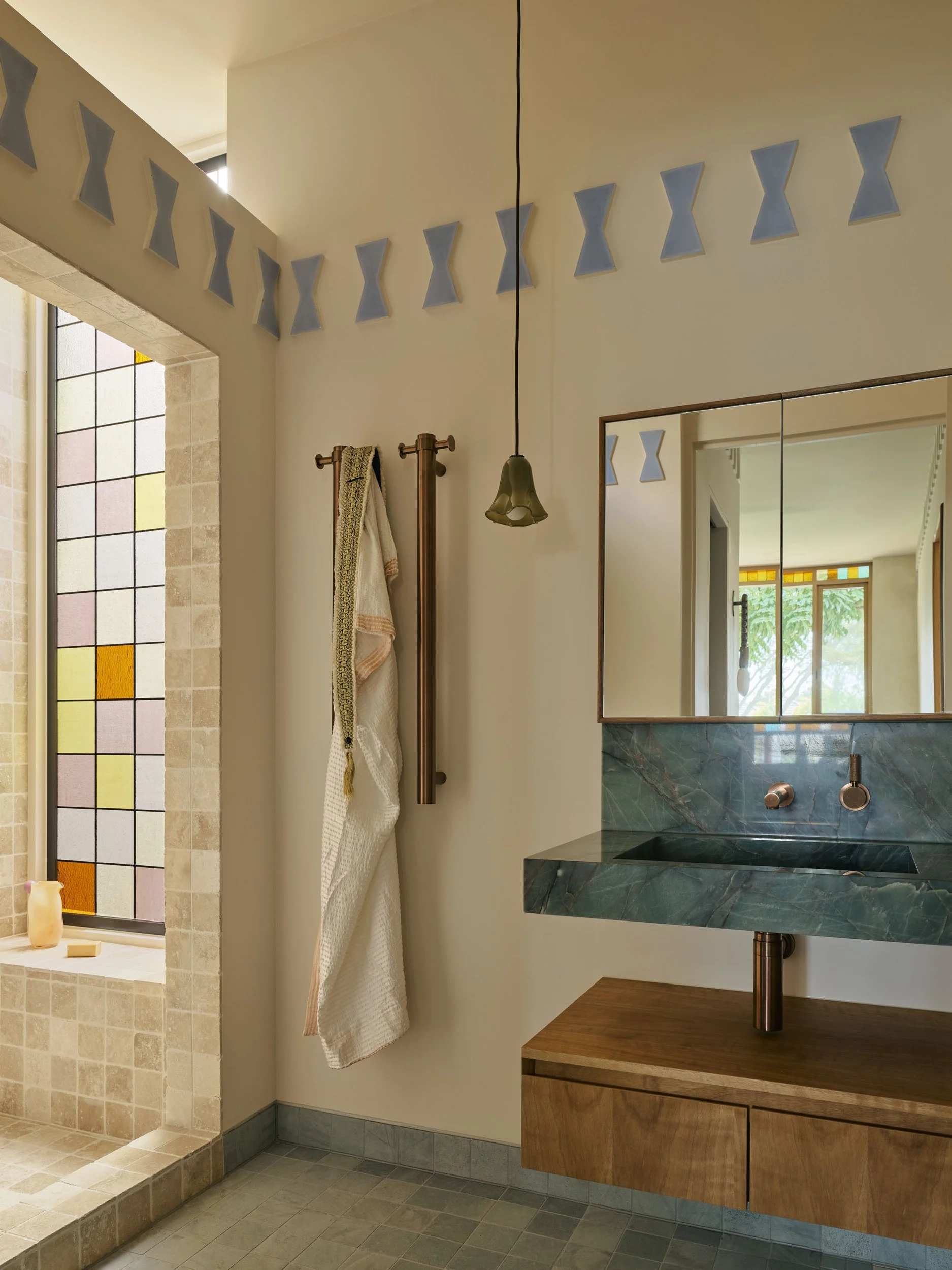
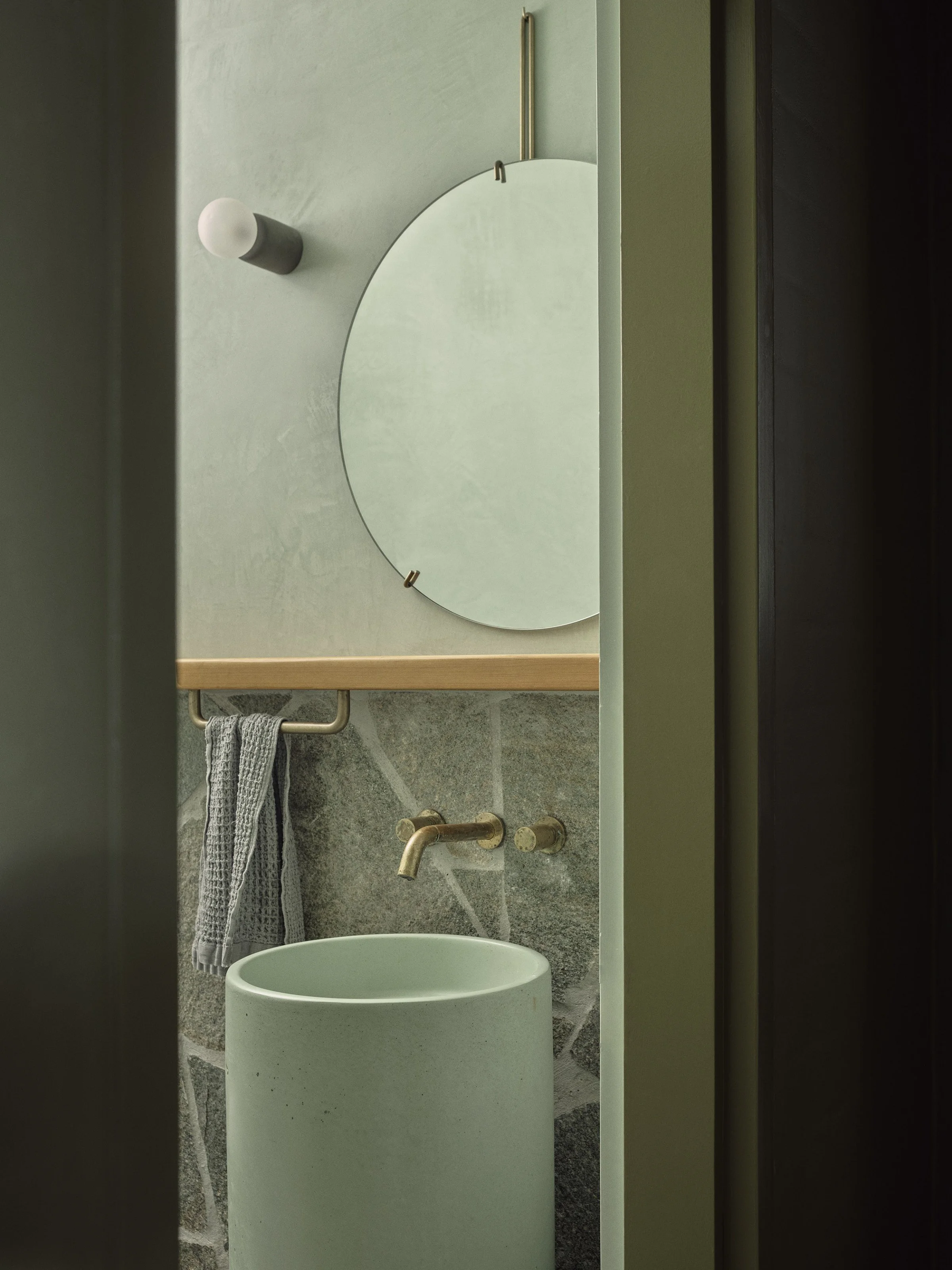
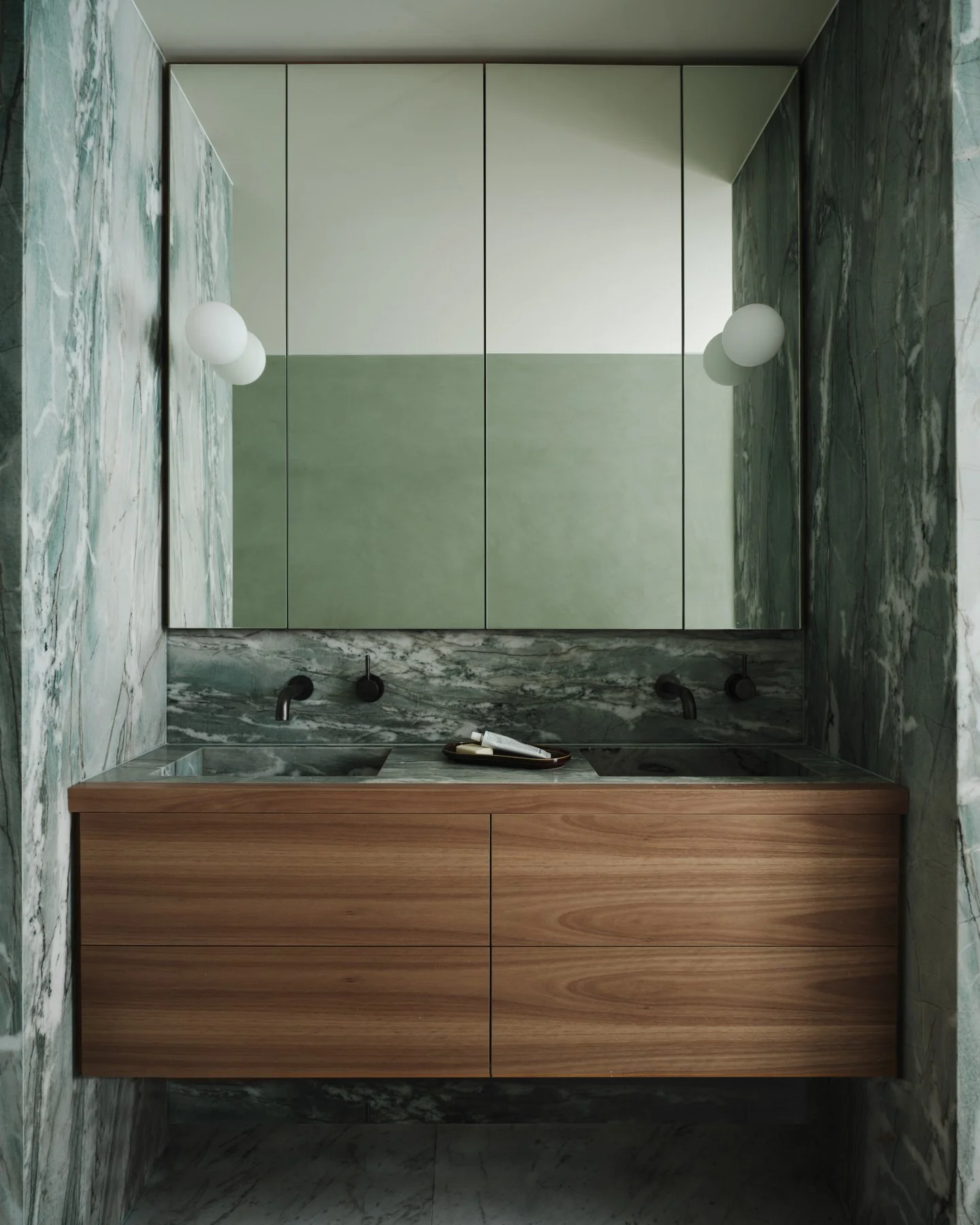
For more even illumination, consider wall lights positioned on either side of the mirror, vertical LED lighting or an illuminated mirror designed to provide functional light.
When selecting mirror lighting, look beyond the appearance of the fitting itself. Consider how much light it provides, where that light is directed and the quality of the light it produces.
In the showerA sealed fitting suitable for its location is essential when installing lighting in or around a shower.
Recessed downlights are a common choice, while integrated lighting within a shower niche can introduce another subtle layer of light and highlight materials or architectural details.
The specific fitting you can use will depend on its position and proximity to water, so this is an area where it's important to consider electrical requirements early in the design process.
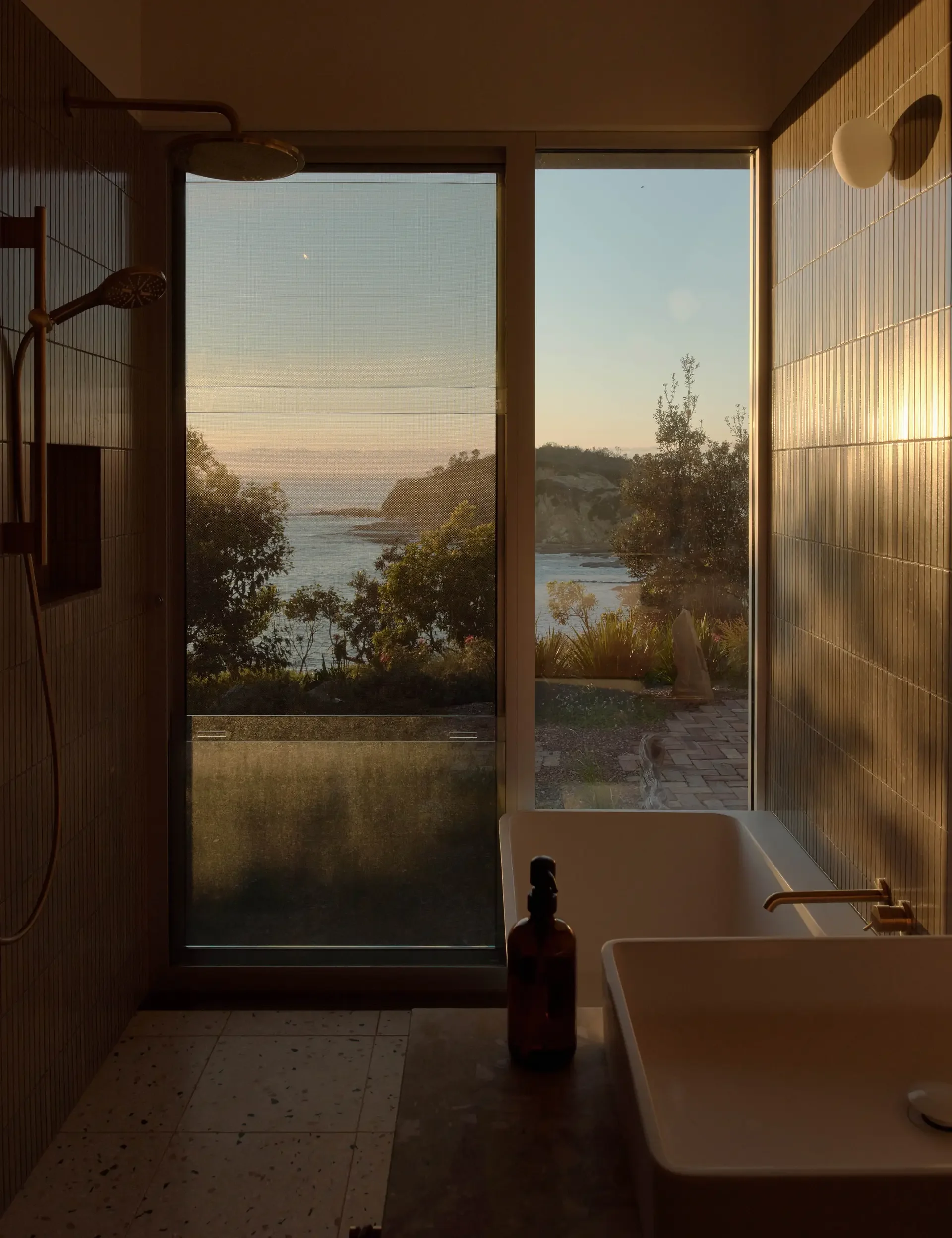
Around the bathA freestanding bath can create a natural focal point within a bathroom, and lighting can help define the space.
Wall lights, concealed architectural lighting or a decorative feature fitting can all contribute to the overall design.
A feature pendant above a freestanding bath might look beautiful in an interiors magazine, but whether it can be installed in your bathroom depends on the fitting, its position and the electrical requirements for that location. If you're sourcing your own decorative lighting, it's worth checking with your electrician before ordering — particularly for fittings positioned near a bath or shower.
General lightingDownlights can provide effective general illumination, but more isn't necessarily better.
Rather than filling the ceiling with an evenly spaced grid, think about where light is actually needed and how your general lighting will work alongside the vanity and accent lighting.
Too many downlights can make a bathroom feel overly bright and clinical, while poorly positioned downlights can create unwanted shadows.
A considered lighting plan takes the entire bathroom layout into account, including cabinetry, mirrors, showers, baths and circulation areas.
Choosing the right colour temperature
Colour temperature can have a significant impact on how your bathroom looks and feels.
Measured in Kelvin (K), lower colour temperatures produce a warmer light, while higher temperatures create a cooler, brighter appearance.
Warm white lighting can create a softer, more inviting environment and works particularly well with natural materials, timber and warm-toned stone or tiles. More neutral lighting can provide clearer illumination around the vanity and may better suit bathrooms with cooler finishes.
Consistency is also important. Mixing noticeably different colour temperatures within a small space can make the lighting scheme feel disconnected and affect how your finishes appear.
If accurate colour is important around your vanity, it's also worth considering the Colour Rendering Index (CRI) of your lighting. A higher CRI generally means colours and skin tones appear more accurately under the light — particularly useful for makeup and grooming.
The right choice will ultimately depend on the design of your bathroom, its finishes and how you want the space to feel.
Bathroom lighting zones and IP ratings
Good bathroom lighting isn't only about aesthetics. Because electricity and water are in close proximity, the type and placement of your light fittings also need to meet specific electrical requirements.
Under Australian electrical standards, bathrooms are divided into zones based on their proximity to baths, showers and other water sources. Depending on where a light fitting is positioned, it may need a particular IP (Ingress Protection) rating to provide an appropriate level of protection against moisture and water.
This is particularly important when selecting lighting for showers, around baths and in other areas exposed to water or moisture.
Even outside designated wet zones, choosing fittings that are appropriate for a humid bathroom environment can help with longevity and performance.
The practical takeaway? Choose your bathroom lighting with its intended location in mind. A decorative fitting that looks perfect for your design may not necessarily be suitable for where you want to install it.
If you're renovating or building, discussing your lighting plan and preferred fittings with your electrician before ordering can help you avoid discovering later that a fitting isn't appropriate for its intended location.
In Victoria, fixed electrical wiring must be completed by a licensed electrician, who can ensure your bathroom lighting is appropriately selected and installed in accordance with relevant Australian electrical requirements.
Dimmers, sensors and smart lighting
The way you control your bathroom lighting can be just as important as the fittings themselves.
Dimmers allow you to adjust the level of light depending on the time of day and how you're using the space, giving a single bathroom greater flexibility.
Motion sensors can work particularly well with low-level or accent lighting, providing subtle illumination during the night without needing to switch on the main lights.
Tunable white lighting allows you to adjust the colour temperature of your lighting, moving between brighter, cooler light and warmer tones at different times of day.
Smart controls can integrate bathroom lighting with a broader smart home system, allowing compatible lighting to be controlled through apps, automations or voice commands.
The best lighting controls should feel intuitive. Done well, you don't necessarily notice the technology — you simply have the right light when and where you need it.
Energy-efficient bathroom lighting
LED lighting is now the starting point for most modern bathroom lighting designs.
Compared with older halogen lighting, LEDs use significantly less energy, have a longer lifespan and generate less heat.
They also offer far greater flexibility in terms of colour temperature, dimming and fitting styles, making it easier to combine practical lighting with more subtle architectural and decorative elements.
If you're renovating a bathroom with older halogen downlights, upgrading the lighting can be considered as part of the broader electrical work for the space.
Common bathroom lighting mistakes to avoid
A few simple decisions can make the difference between a bathroom that simply has enough light and one that feels genuinely well considered.
Try to avoid:
Relying solely on overhead downlights
Positioning downlights without considering where shadows will fall
Installing too many downlights and making the room feel overly bright
Choosing decorative mirror lighting that doesn't provide enough functional light
Mixing noticeably different colour temperatures without a clear reason
Putting every light on the same switch
Forgetting to consider softer lighting for evenings and overnight
Selecting fittings without considering whether they're suitable for their intended location
Leaving lighting decisions until late in the renovation or build
The earlier you consider lighting in your bathroom design, the easier it is to coordinate it with your layout, cabinetry, mirrors and finishes.
Planning your bathroom lighting?
Whether you're undertaking a complete bathroom renovation or upgrading an existing space, considering your lighting early can make all the difference to how the finished room looks, feels and functions.
At Outlier Electrical, we work with homeowners, builders and architects to plan and install considered bathroom lighting across the Mornington Peninsula, Bayside and Melbourne. From practical task lighting and carefully positioned downlights to feature fittings and concealed LEDs, we can help create a lighting plan that complements your space and is installed safely and to Australian standards.
Let us help you bring your vision to life. Get in touch for a quote on your bathroom lighting upgrade.